À partir de photographies de signalétiques et de dispositifs urbains réels, DE LA SIGNALÉTIQUE AU SIGNAL ÉTHIQUE détourne les codes qui organisent et orientent l’espace collectif. Photomontages, objets-sculptures, affichages et interventions in situ transforment le signe fonctionnel en dispositif critique : non plus seulement indiquer où aller, mais interroger les systèmes qui orientent nos comportements et nos manières d’habiter l’espace public.
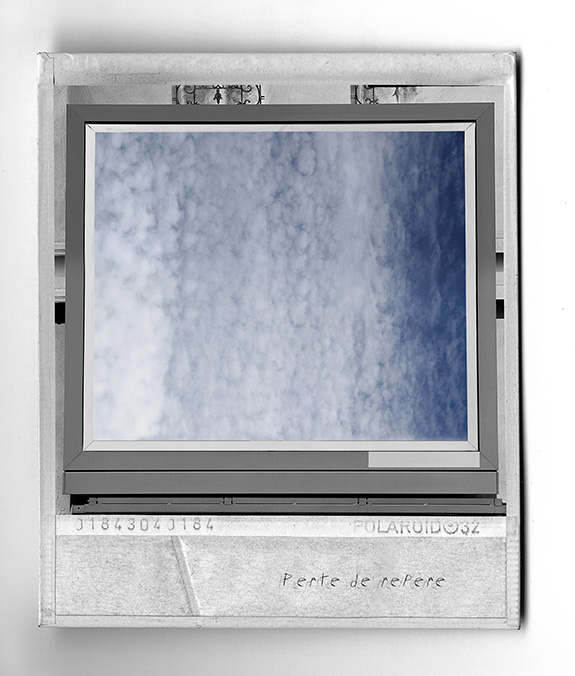
DE LA SIGNALÉTIQUE AU SIGNAL ÉTHIQUE — Installation · Photomontages numériques · Dimensions variables. Série réalisée à partir de photographies de signalétiques et de dispositifs urbains réels, détournés et réinscrits dans de nouveaux contextes. Sélection d’œuvres présentée à Hans Ulrich Obrist, Musée d’Art Moderne de la Ville de Paris. 2002–2005. © José Man Lius.
DE LA SIGNALÉTIQUE AU SIGNAL ÉTHIQUE
De la signalétique au signal éthique prend pour point de départ les systèmes qui organisent silencieusement nos déplacements dans l’espace collectif : panneaux, pictogrammes, dispositifs d’orientation, mobiliers fonctionnels, interfaces et injonctions visuelles.
Par le détournement, le déplacement et la fiction, ces signes cessent progressivement d’indiquer où aller pour interroger comment nous sommes orientés.
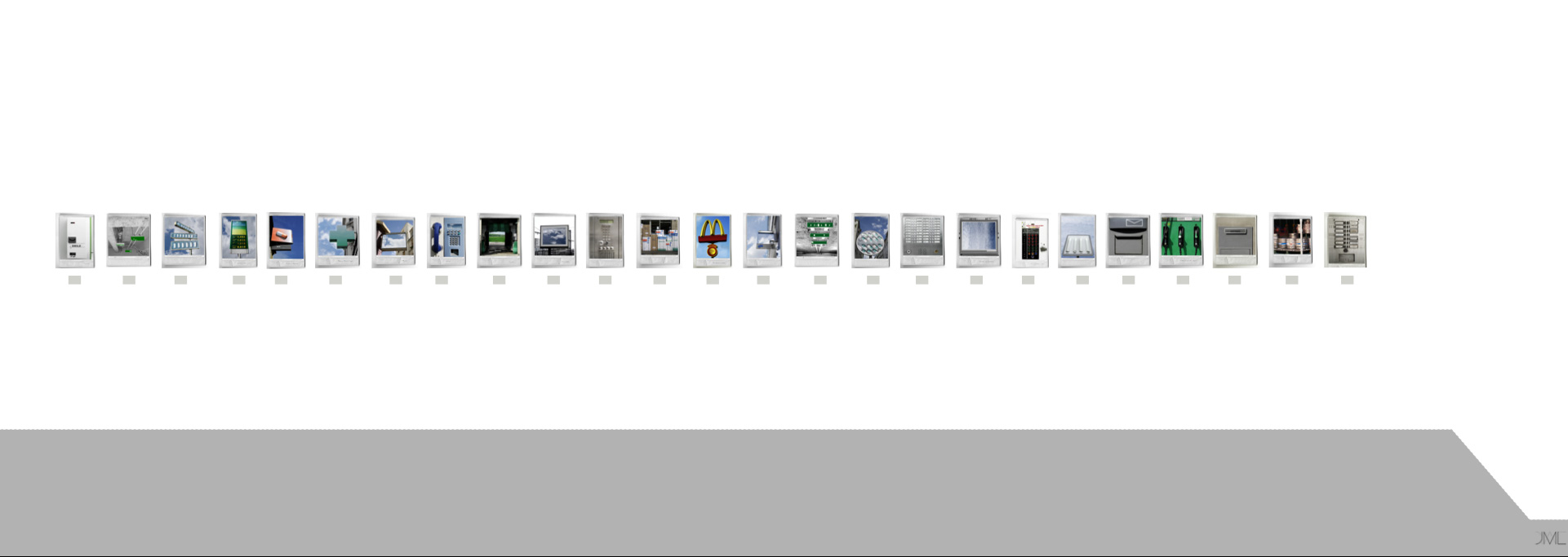
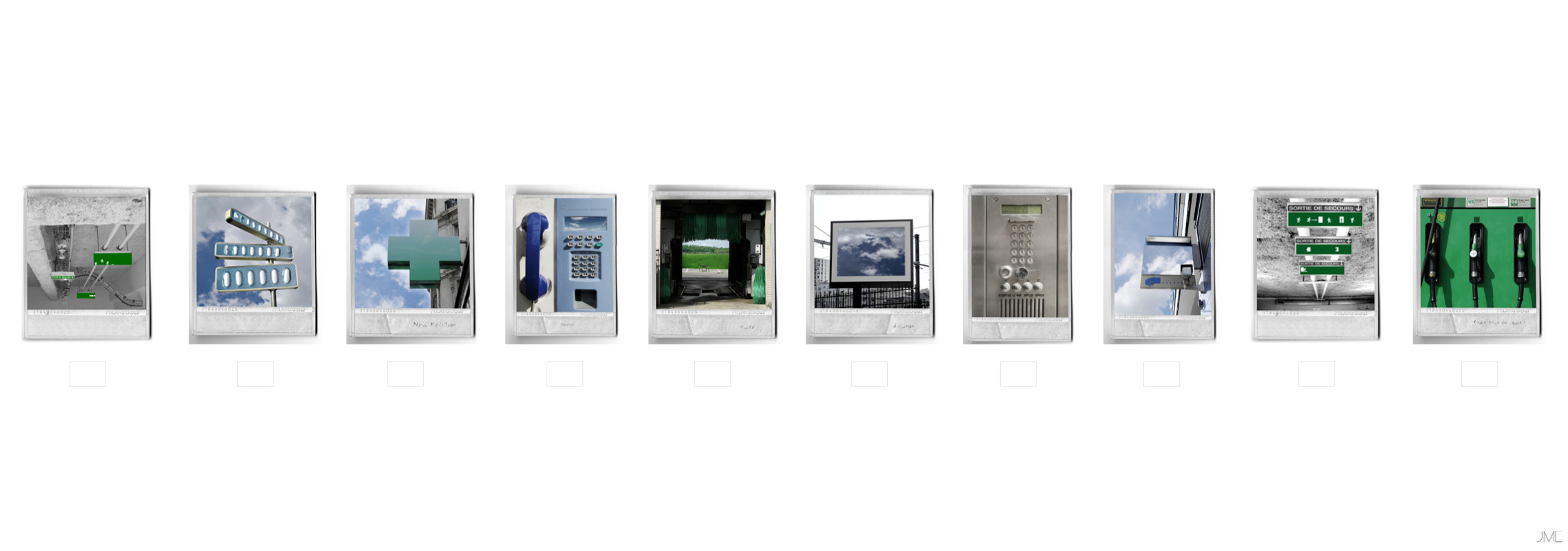
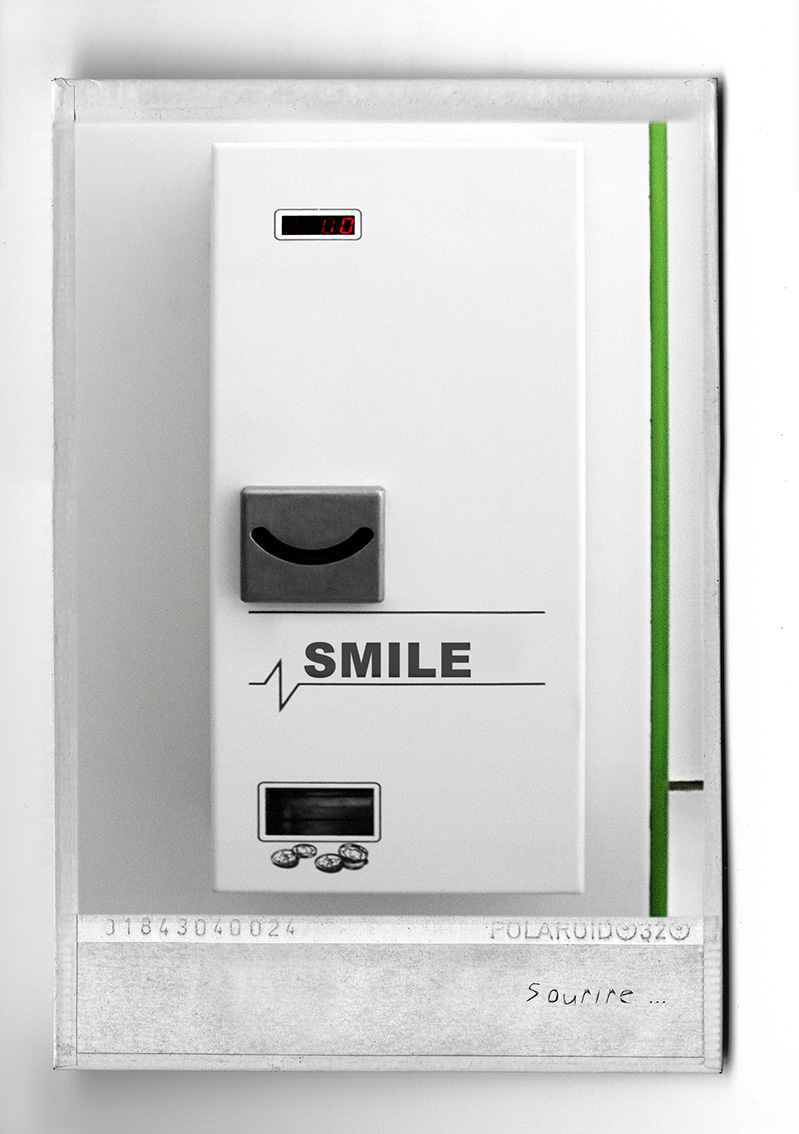
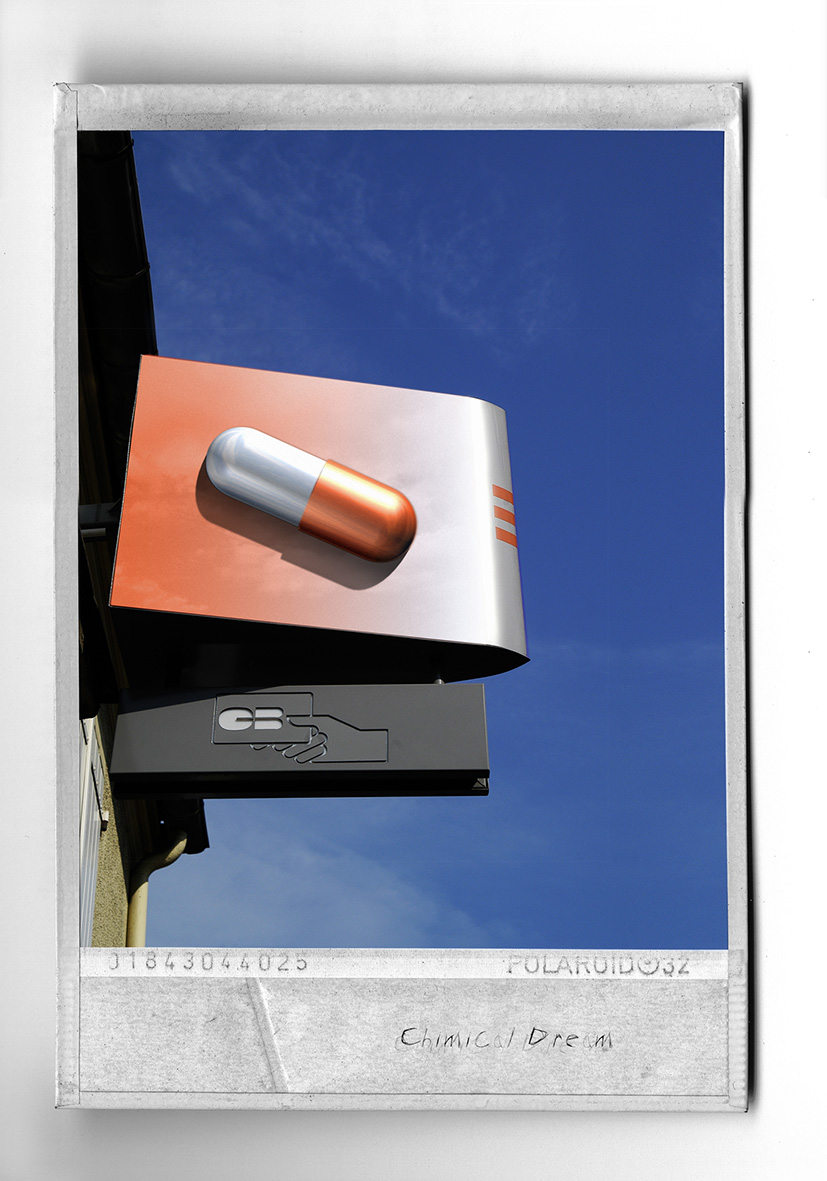
Le projet se développe comme un dispositif ouvert associant photographies de signalétiques urbaines, photomontages numériques, objets-sculptures expérimentés in situ et ex situ, « polaroïds », diaporamas, affichages dans l’espace public et interventions performatives. Une trame narrative relie ces différents médiums et permet au projet de circuler entre espaces publics, lieux privés et espaces d’exposition.
Le détournement devient ainsi une méthode de déconditionnement du regard. En perturbant des codes visuels devenus presque invisibles à force d’usage, l’œuvre introduit des situations d’orientation–désorientation et déplace la signalétique de sa fonction utilitaire vers un espace critique.
Le signal fonctionnel devient signal éthique : non plus seulement indiquer une direction, mais rendre perceptibles les systèmes, normes et comportements qui orientent nos manières d’habiter l’espace collectif.
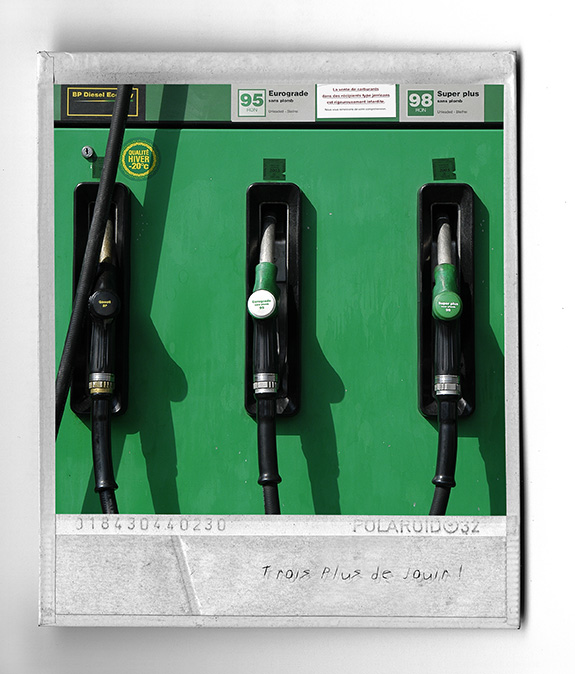
DE LA SIGNALÉTIQUE AU SIGNAL ÉTHIQUE — Installation · Photomontages numériques · Dimensions variables. Série réalisée à partir de photographies de signalétiques et de dispositifs urbains réels, détournés et réinscrits dans de nouveaux contextes. Sélection d’œuvres présentée à Hans Ulrich Obrist, Musée d’Art Moderne de la Ville de Paris. 2002–2005. © José Man Lius.
Based on photographs of real urban signage and public-space devices, FROM SIGNAGE TO ETHICAL SIGNAL subverts the codes that organize and orient collective space. Photomontages, sculptural objects, public displays, and in situ interventions transform the functional sign into a critical device: no longer simply indicating where to go, but questioning the systems that shape our behaviours and the ways we inhabit public space.
FROM SIGNAGE TO ETHICAL SIGNAL
From Signage to Ethical Signal takes as its starting point the systems that silently organize our movements through collective space: signs, pictograms, wayfinding systems, functional street furniture, interfaces, and visual injunctions.
Through subversion, displacement, and fiction, these signs gradually cease to indicate where to go and begin to question how we are oriented.
The project unfolds as an open-ended dispositif combining photographs of urban signage, digital photomontages, sculptural objects experimented with in situ and ex situ, “Polaroids,” slide shows, interventions in advertising spaces, and performative actions. A narrative framework connects these different media, allowing the project to circulate between public spaces, private settings, and exhibition spaces.
Subversion thus becomes a method for deconditioning the gaze. By disrupting visual codes that have become almost invisible through habitual use, the work creates situations of orientation–disorientation, shifting signage away from its utilitarian function and into a space of critical inquiry.
The functional sign becomes an ethical signal: no longer simply indicating a direction, but making visible the systems, norms, and behaviours that shape the ways we inhabit collective space.
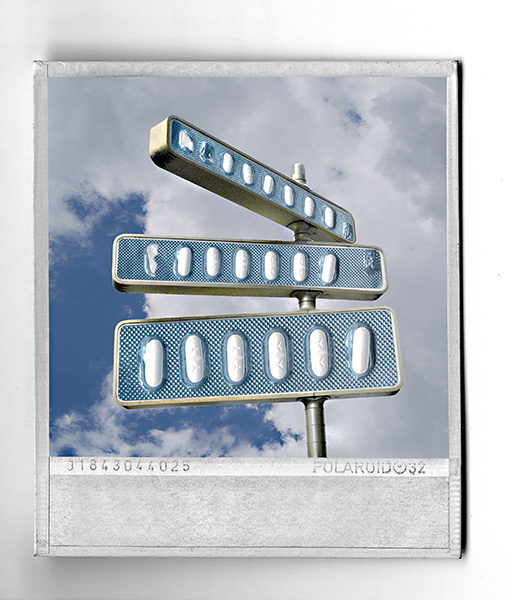
FROM SIGNAGE TO ETHICAL SIGNAL — Installation · Digital photomontages · Variable dimensions. Series developed from photographs of real urban signage and public-space devices, subverted and recontextualized within new environments. Selection of works presented to Hans Ulrich Obrist, Musée d’Art Moderne de la Ville de Paris. 2002–2005. © José Man Lius.
“Urban signage; in situ / ex situ experiments with sculptural objects positioned throughout the city. The project also expands through a narrative framework involving photomontages, ‘Polaroids,’ slide shows, and the insertion of posters into advertising spaces, all underpinned by narrative experiments and forms of happening that enable interventions in both public and private spaces through strategies of subversion. Together, these processes provoke questioning and deconditioning, producing states of orientation–disorientation and challenging the semantic codes of art…”
H.U.O, Curator / MAMVP, 2005
DE LA SIGNALÉTIQUE AU SIGNAL ÉTHIQUE : Installation I Photomontage numérique I Dimension variable I 2005
Signalétiques urbaines, expérimentations In/Ex SITU d’objets sculptures disposés dans une agglomération. Mais aussi l’extension grâce à une trame scénaristique de la réalisation de photomontages, de “polaroïds”, de diaporama, d’intégration d’affiches dans des espaces publicitaires, tout cela sous-tendu par des expériences narratives et sorte d’happenings qui permettent d’investir aussi bien des lieux publics que privés, dans une finalité de détournement. Tout cela provoque un questionnement, un déconditionnement, une orientation-désorientation, des codes sémantiques de l’art...
H.U.O. Curator / M A M V 2005